
Weight Loss Tips for Beginners: Smart Habits to Start Your Transformation
Losing weight for the first time can seem difficult, especially when social media is filled with complicated fitness advice and strict diet plans. Many beginners believe they must stop eating their favorite foods or spend several hours in the gym every day. In reality, healthy weight loss begins with manageable daily habits and a balanced lifestyle.
If you are planning to become healthier and more active, understanding the right approach is important. This guide shares practical and beginner-friendly strategies that can help you lose weight in a healthy and sustainable way.
Understand That Weight Loss Takes Time
One of the most common mistakes beginners make is expecting rapid results within a few weeks. Healthy transformation does not happen instantly. Your body needs time to adjust to new habits, eating patterns, and physical activity.
Instead of chasing extreme targets, focus on building routines that you can continue for months and years. Slow progress is still progress, and consistent effort always gives better long-term results.
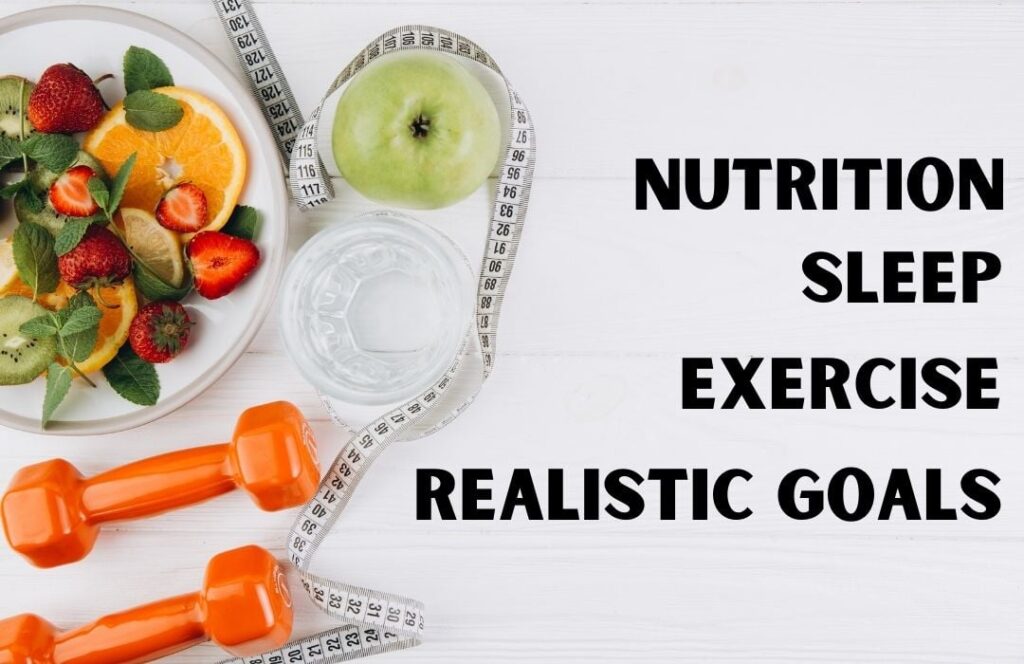
Build Better Eating Habits
Weight management starts in the kitchen. The foods you eat every day directly affect your energy levels, metabolism, and body fat percentage.
Rather than following crash diets, try making healthier food choices gradually.
Healthy Food Choices
- Seasonal fruits and green vegetables
- Foods rich in protein like lentils, eggs, fish, and paneer
- Fiber-rich grains such as oats and millets
- Natural snacks like nuts and seeds
Foods to Reduce
- Packaged snacks
- Bakery products high in sugar
- Fast food meals
- Soft drinks and artificial beverages
Balanced meals help your body stay full for longer and reduce unnecessary cravings.
Increase Daily Physical Activity
Exercise is not only for athletes or gym lovers. Simple physical movement can help beginners burn calories, improve stamina, and increase confidence.
You can start with activities that fit comfortably into your daily schedule.
Beginner-Friendly Activities
- Morning or evening walks
- Stair climbing
- Cycling
- Yoga stretches
- Bodyweight exercises at home
The goal is to remain active consistently instead of doing intense workouts occasionally.
Avoid Skipping Meals
Many people think skipping meals helps with faster weight loss, but this habit can actually increase hunger and lead to overeating later.
Eating balanced meals at proper times keeps your metabolism active and supports better digestion. A healthy breakfast, nutritious lunch, and light dinner can improve energy levels throughout the day.
Drink Enough Water Every Day
Hydration is often ignored during weight loss journeys. Water supports digestion, circulation, and body temperature while also helping control appetite.
Drinking water before meals may help reduce overeating. Replacing sugary beverages with water can also lower unnecessary calorie intake.
Adding lemon slices or mint leaves to water can make it more refreshing and enjoyable.
Improve Sleep Quality
Sleep affects both physical and mental health. Lack of sleep can increase cravings for unhealthy foods and reduce motivation for exercise.
To improve sleep quality:
- Maintain a fixed bedtime
- Reduce phone usage before sleeping
- Keep your bedroom quiet and comfortable
- Avoid caffeine late at night
A well-rested body performs better during workouts and daily activities.
Practice Mindful Eating
Mindful eating means paying attention to your food instead of eating in a hurry or while using mobile phones and television.
Simple mindful eating habits include:
- Chewing food slowly
- Enjoying smaller portions
- Eating only when hungry
- Avoiding emotional eating
This habit helps improve digestion and prevents overeating.
Stay Consistent with Your Routine
Motivation may not stay high every day, which is why discipline is more important than temporary excitement.
There may be days when progress feels slow, but staying committed to healthy habits is what creates visible change over time.
Consistency with:
- Diet
- Exercise
- Sleep
- Hydration
is the real secret behind successful weight management.
Track Small Improvements
Instead of checking body weight daily, observe other positive changes such as:
- Increased energy
- Better sleep
- Improved stamina
- Reduced cravings
- Better mood
These small victories show that your body is becoming healthier even before major physical changes appear.
Reduce Stress for Better Results
Stress can influence eating habits and increase cravings for unhealthy comfort foods. Managing stress is an important part of maintaining overall wellness.
Healthy ways to reduce stress include:
- Meditation
- Spending time in nature
- Listening to relaxing music
- Practicing breathing exercises
- Engaging in hobbies
A calm and balanced mind supports healthier decisions.
Final Words
Beginning a weight loss journey does not require perfection. It requires patience, balance, and daily effort. Beginners should focus on creating healthy routines instead of searching for shortcuts or extreme methods.
By eating nutritious meals, staying active, drinking enough water, sleeping properly, and remaining consistent, anyone can improve their fitness and overall health naturally.
Small daily improvements eventually lead to big long-term transformations.